





Thermofluids Discovery Lab logo
University of South Florida · Mechanical & Aerospace Engineering

Thermofluids Discovery Laboratory

Understanding thermal fluid sciences enables engineers to design efficient and cost-effective systems. The Thermofluids Discovery Lab (TD Lab) advances fluid dynamics and thermal transport processes through a combination of numerical/analytical analysis and laboratory/field experiments to address challenges in energy and aerospace.

EnergyAerospaceAtmosphere
Tampa, Florida
live flow past our lab
move the cursor to disturb the wake
Latest USF engineers develop technology to help nuclear power plants improve maintenance of a critical safety systemAmerican Nuclear Society ↗ More news ↓
53Students mentored
11Ph.D. candidates
7Master’s students
38Undergraduates
$2.9MResearch funding since 2017
Research & Initiatives

From the boundary layer to the jet wake

We study fluid flow and heat transfer across scales that range from the microscopic to the mesoscale, with sponsored programs in nuclear energy, the atmospheric boundary layer, clean aviation and solar energy.

Featured projects

What we are working on now

Three programs that show the range of the lab, from atmospheric-scale simulations to hardware working inside a nuclear plant.

Contrails · Meso-NH LES

A CFD–LES Framework for Simulating Contrail Formation from Ammonia Aviation Fuels

Meso-NHLIMA microphysicsAnelasticPseudo-incompressible
Recorded talk · Torge Bohlken & Ahmad Vasel-Be-Hagh35 min · with audio

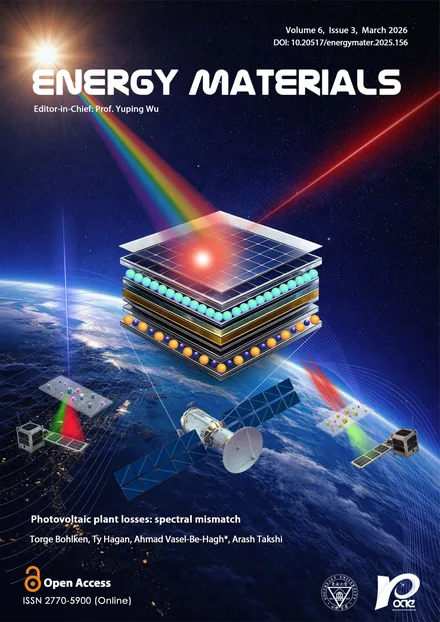
Contrail formation is one of the most significant non-CO2 climate impacts of aircraft operations, outweighing the radiative forcing from CO2 emissions by almost a factor of two. Understanding differences in microphysical evolution and optical characteristics between contrails produced by traditional and carbon-free aviation fuels is, therefore, crucial to ensuring the successful development of climate-friendly propulsion systems.

While ammonia is considered a promising hydrogen-based fuel alternative, its contrail formation and persistence characteristics remain uncertain owing to unique thermodynamic conditions in the aircraft's wake. While soot, acting as a primary nucleation site in contrails produced by traditional fuels, is absent in the ammonia-system's exhaust, water vapor emissions are significantly increased, and contrail nucleation may still occur on ambient aerosol populations at upper tropospheric levels.

To assess the climate impacts of ammonia-powered contrails, a specialized CFD contrail module has been developed within the atmospheric code Meso-NH, based on the microphysical parameterization LIMA (Liquid Ice Multiple Aerosols) and coupled with anelastic and pseudo-incompressible formulations. To reconcile the significantly varying spatial and temporal scales throughout a contrail's lifetime, the model couples two temporal LES domains specialized to the jet, vortex, and early-dissipation regimes by superimposing synthetic atmospheric and wake-turbulence fields. The development of this model paves the way to enabling the first detailed simulation-backed comparison of optical and persistence characteristics between contrails produced by ammonia and kerosene.
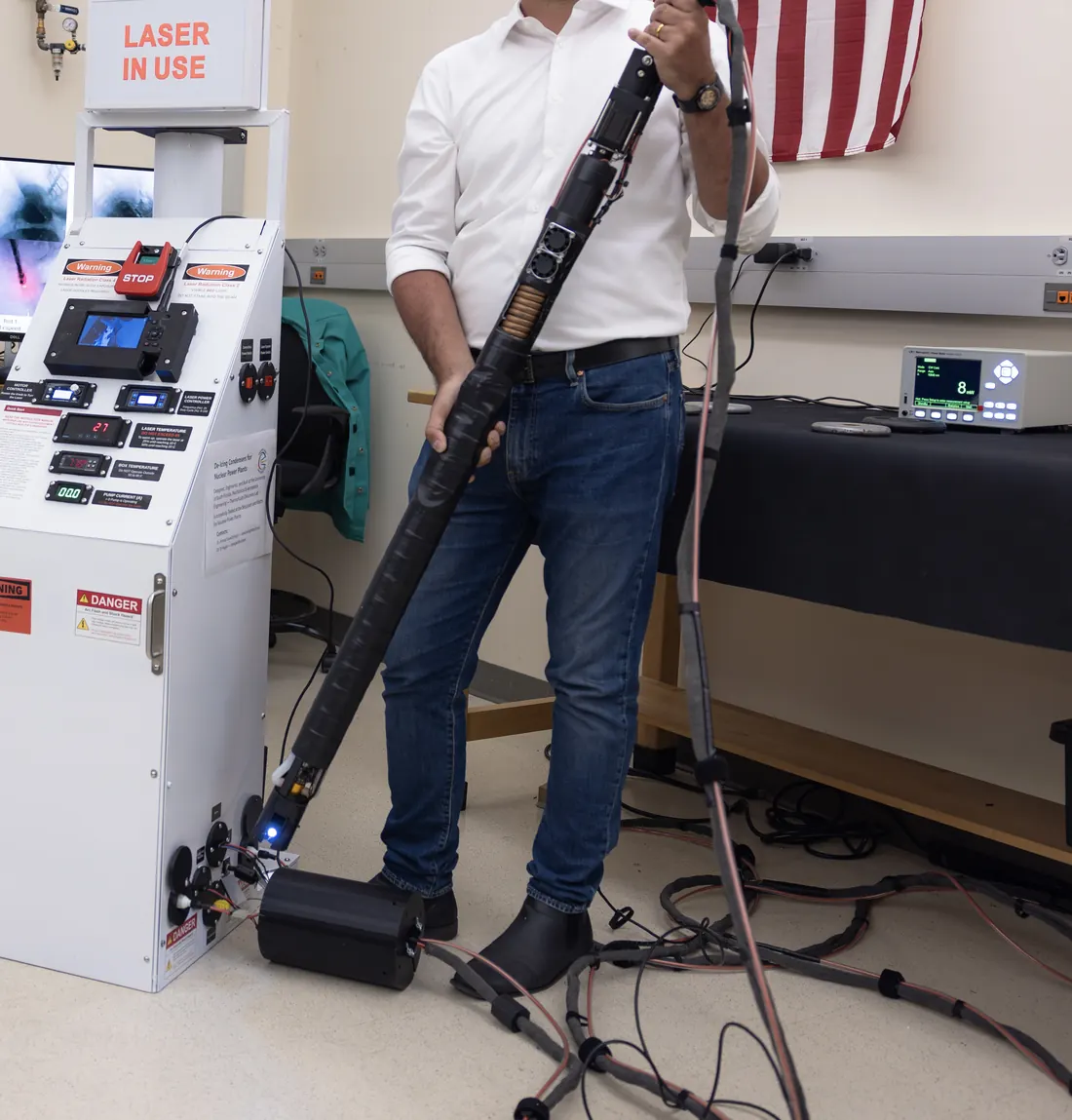
Nuclear · TVA

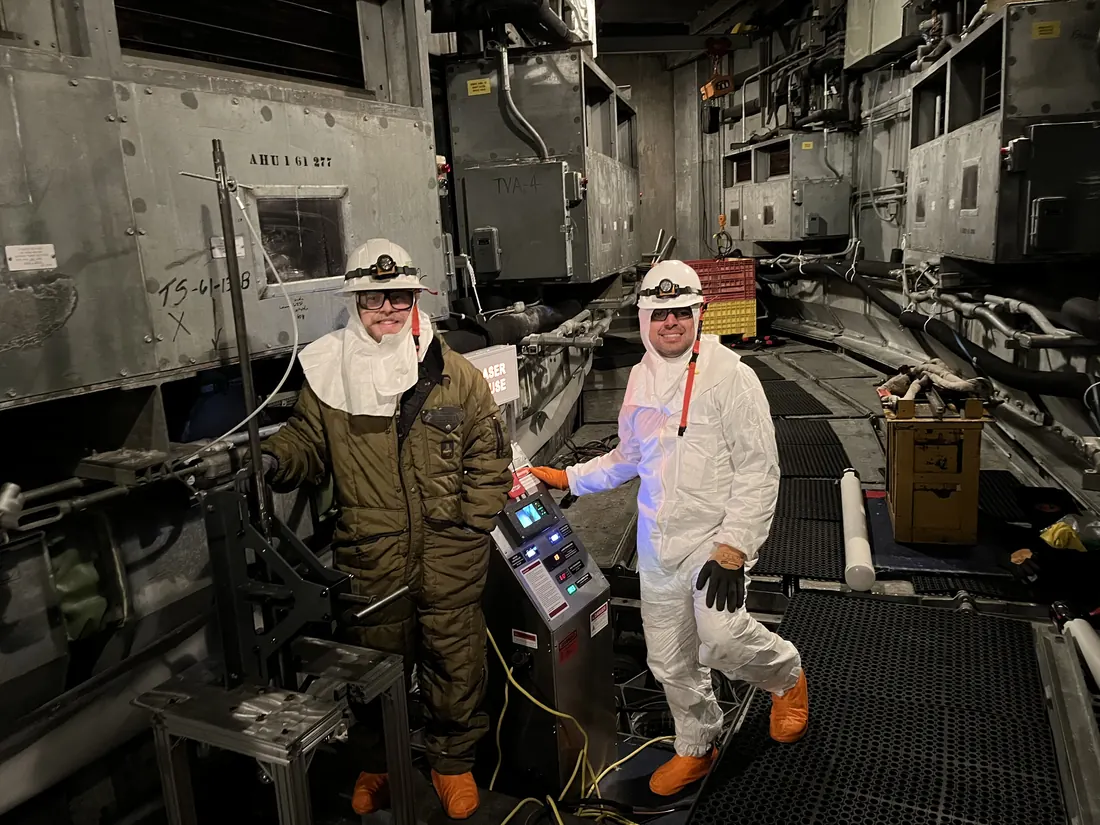
USF engineers develop technology to help nuclear power plants improve maintenance of a critical safety system

Read the article ↗

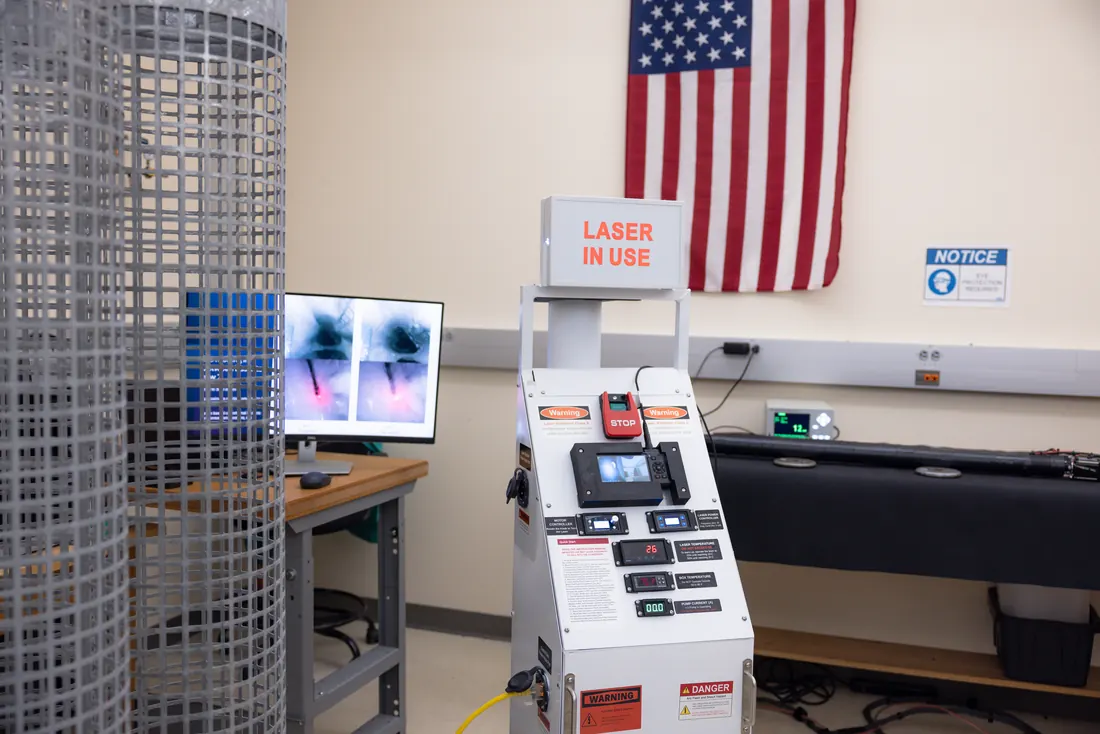
A power plant’s ice condenser system consists of thousands of “baskets” filled with borated ice. Each basket must be individually lifted and weighed during routine inspections. However, the process used to replenish the gradually melting ice can cause neighboring baskets to freeze together, preventing their individual inspection without labor-intensive work to separate them.

We developed a better way to separate the ice baskets to allow for easier inspections. We designed a deicing system that uses a precision laser to cut through the sheets of ice that connect adjacent baskets, allowing the baskets to be safely separated and inspected. Our tool can function more than 40 feet below the surface in freezing conditions and in the tight spaces between the ice baskets.

40+ ftWorking depth
1,000sIce baskets per plant
< 0 °COperating environment
NASA ULI · ASAS sub-team

CarbonLess Electric AviatioN (CLEAN)

USFTennessee TechTennessee State
CLEAN airframe concept · truss-braced wing with aft Electrofan2 min

CLEAN (CarbonLess Electric AviatioN) is a NASA-sponsored University Leadership Initiative project working toward a zero-emission, 150-passenger airliner powered by an ammonia-fueled hybrid-electric engine. Within the project, our Aircraft Structure and Aero-System (ASAS) sub-team, a collaboration between the University of South Florida, Tennessee Tech University and Tennessee State University, is designing an airframe that can carry the heavier engine and still fly more than 2,100 nautical miles, comparable to a Boeing 737-400.

The concept shown in this animation combines two NASA ideas, the truss-braced wing of the NASA/Boeing SUGAR Volt and the aft-mounted Electrofan of NASA’s SUSAN concept. Two turbofans under the wings and one Electrofan at the tail share the propulsion load, which lightens the slender braced wing and lets the aft fan ingest the fuselage boundary layer to reduce drag. Our team is now optimizing the wing and propulsion together for the CLEAN engine, with CFD validation and a truss design to follow.

150Passengers
2,100+ nmiDesign range
3Fans · 2 wing + 1 aft
Publications

Journal publications since 2017

Journal papers since the lab’s establishment. Search by author, title or journal, or filter by research theme.

    Books & Proceedings

    Edited volumes

    Books and conference proceedings, many from the Cleaner Earth and Atmosphere conference series.

    Our Team

    The people behind the lab

    Faculty, postdocs and students working across computation and experiment.

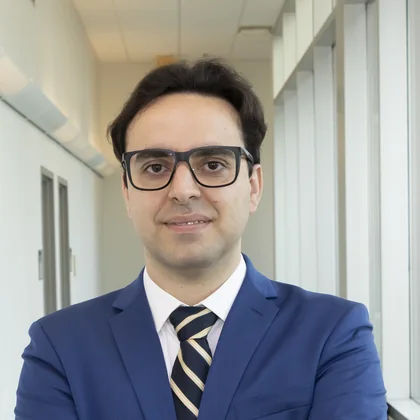
    Ahmad Vaselbehagh
    Principal investigator

    Ahmad Vaselbehagh, Ph.D.

    Associate Professor & Aerospace Engineering Director
    Department of Mechanical and Aerospace Engineering, University of South Florida
    Email
    vaselbehagh@usf.edu
    Phone
    813-974-7664
    Office
    ENC 3505 & BEH 300D
    Biography

    I joined the University of South Florida's Department of Mechanical & Aerospace Engineering in the Spring of 2024, where I also serve as the director of the Aerospace Engineering Program. Previously, I served as an Associate Professor (2024) and Assistant Professor (2017-2024) of Mechanical Engineering at Tennessee Tech University. Before joining Tennessee Tech, I was a postdoctoral researcher at the University of Delaware (2015-2017). I received my Ph.D. in Mechanical Engineering from the University of Windsor, Canada, in 2015. My research interests include thermal fluid sciences for energy and aerospace applications. I teach Turbulence, Propulsion, and Fluid Systems at USF. I taught Fluid Mechanics, Intermediate Fluid Mechanics, Atmospheric Fluid Mechanics, Thermodynamics, Conduction Heat Transfer, and Turbulence at Tennessee Tech.

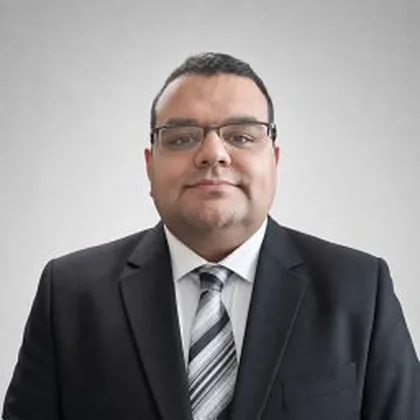
    Mohammad Doranehgard
    Research faculty

    Mohammad Doranehgard, Ph.D.

    Assistant Professor of Research
    Department of Mechanical and Aerospace Engineering, University of South Florida
    Email
    doranehgard@usf.edu
    Phone
    813-974-7664
    Office
    BEH 320

    Postdoctoral research associates

    Ph.D. students

    Master’s students

    Undergraduate research assistants

    3 current
    • Kevin Ferrer Sanchez
    • Conner Schilaty
    • Sebastian Andres Carias Fortin

    Former postdoctoral researchers

    postdoc alumni

    Graduate alumni

    where they went next
    NameDegreeNow
    Our Story

    Cookeville to Tampa

    The lab started at Tennessee Tech in 2017 and moved to USF with a new name and a bigger scope.

    Back in 2017, we kicked off our journey at Tennessee Tech University in Cookeville, TN, as the Fluid Mechanics Research Lab. Recently, we relocated to the University of South Florida and adopted a new name, the Thermofluids Discovery Laboratory. This move marks the start of an exciting new chapter as we continue to grow and expand our research.

    Over the years, the lab has provided research opportunities and mentorship to 53 students, including 11 Ph.D. candidates, 7 master’s students, and 38 undergraduates. Many of these students have gone on to build successful careers, and the lab has been an important part of their training and professional growth.

    The TD Lab houses a wide range of experimental and computational tools, from lasers and optical systems to fully instrumented portable weather towers. With these resources, we are able to investigate fluid flow and heat transfer across scales that range from the microscopic to the mesoscale.

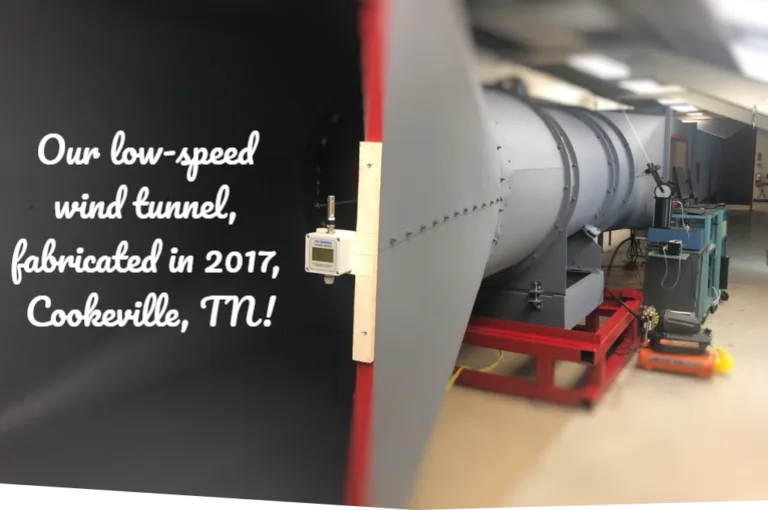
    The lab's low-speed wind tunnel, fabricated in 2017 in Cookeville, Tennessee
    Our low-speed wind tunnel, fabricated in 2017 in Cookeville, TN
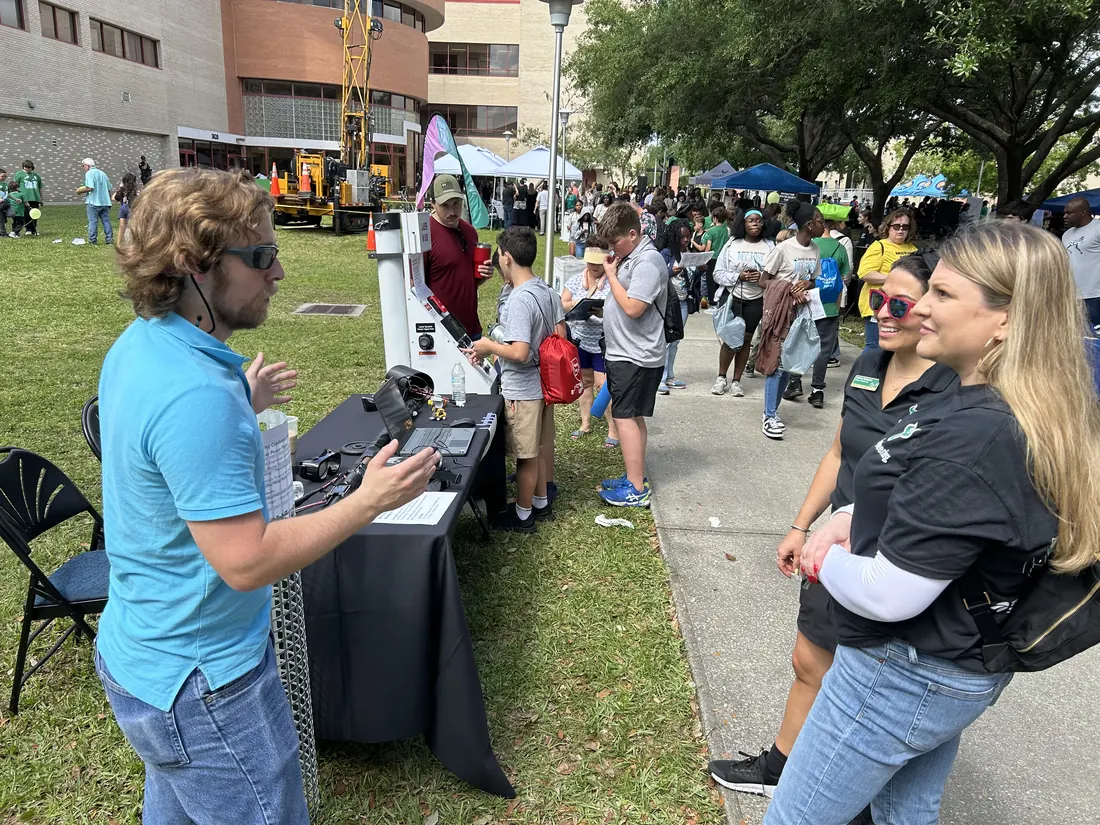
    Lab members talking with visitors at the USF Engineering Expo
    USF Engineering Expo
    Lab Safety

    Before you enter the lab

    Every lab member reads both guides before working with lasers or equipment.

    Laser area

    Laser Safety

    Procedures, eyewear and controls for working with the lab’s lasers and optical systems. Read the guide, then pass the quiz with 80% or more.

    Every visit

    Housekeeping

    How we keep the lab clean, organized and ready for the next experiment. Read the guide, then pass the quiz with 80% or more.

    Contact Us

    Work with
    the TD Lab

    Prospective students, collaborators and sponsors are welcome to get in touch.

    Emailvaselbehagh@usf.edu
    Phone813-974-7664
    Address4202 E. Fowler Avenue, ENC 3505, Tampa, FL 33620, USA